Isle of Vectis


Bembridge Beach
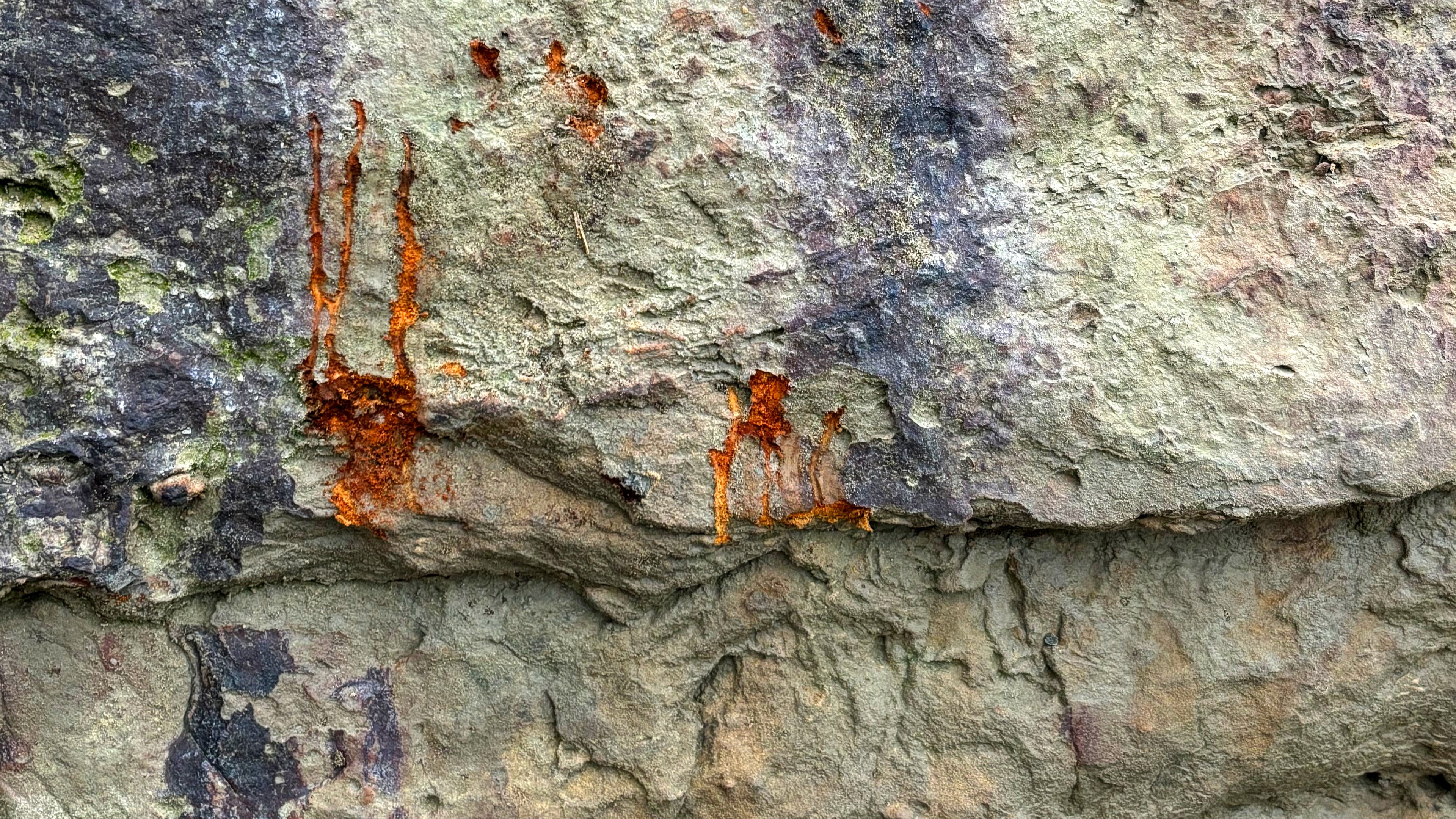
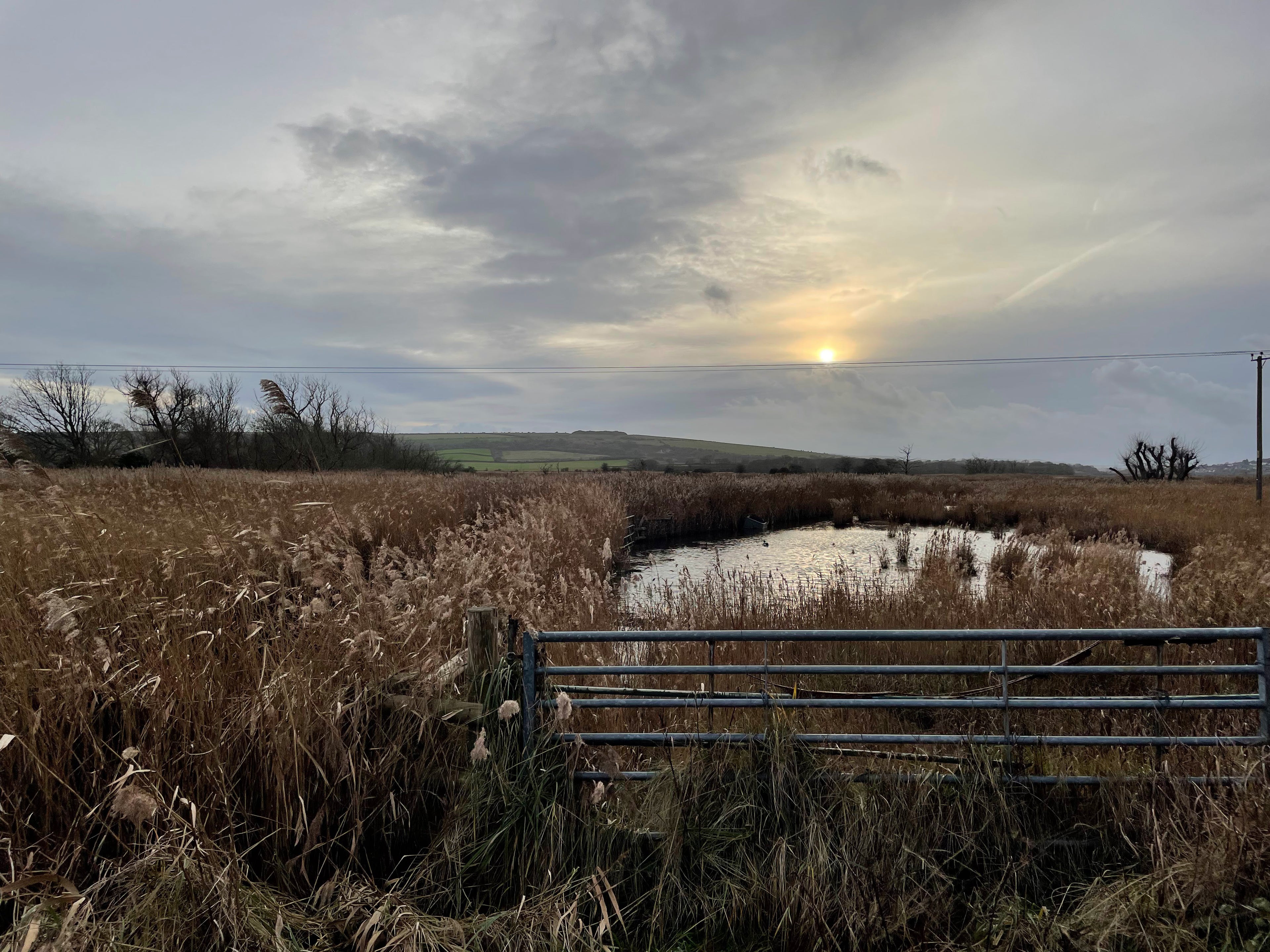
A pot made from wild clay, sand, and a mixed seaweed ash glaze. All materials used to create this piece were collected along Bembridge Beach, Isle of Wight. This photographs showcases the final piece alongside the origin of its materials, specifically, the seaweed used to create the glaze applied onto this piece.
As a child, I spent countless summers along this beach, often playing with the clay. I believe the first time I ever touched clay was on this beach. These memories remind me that my work has emerged from both curiosity and interactions with nature. A connection that continues to shape my practice today.

Alum Bay
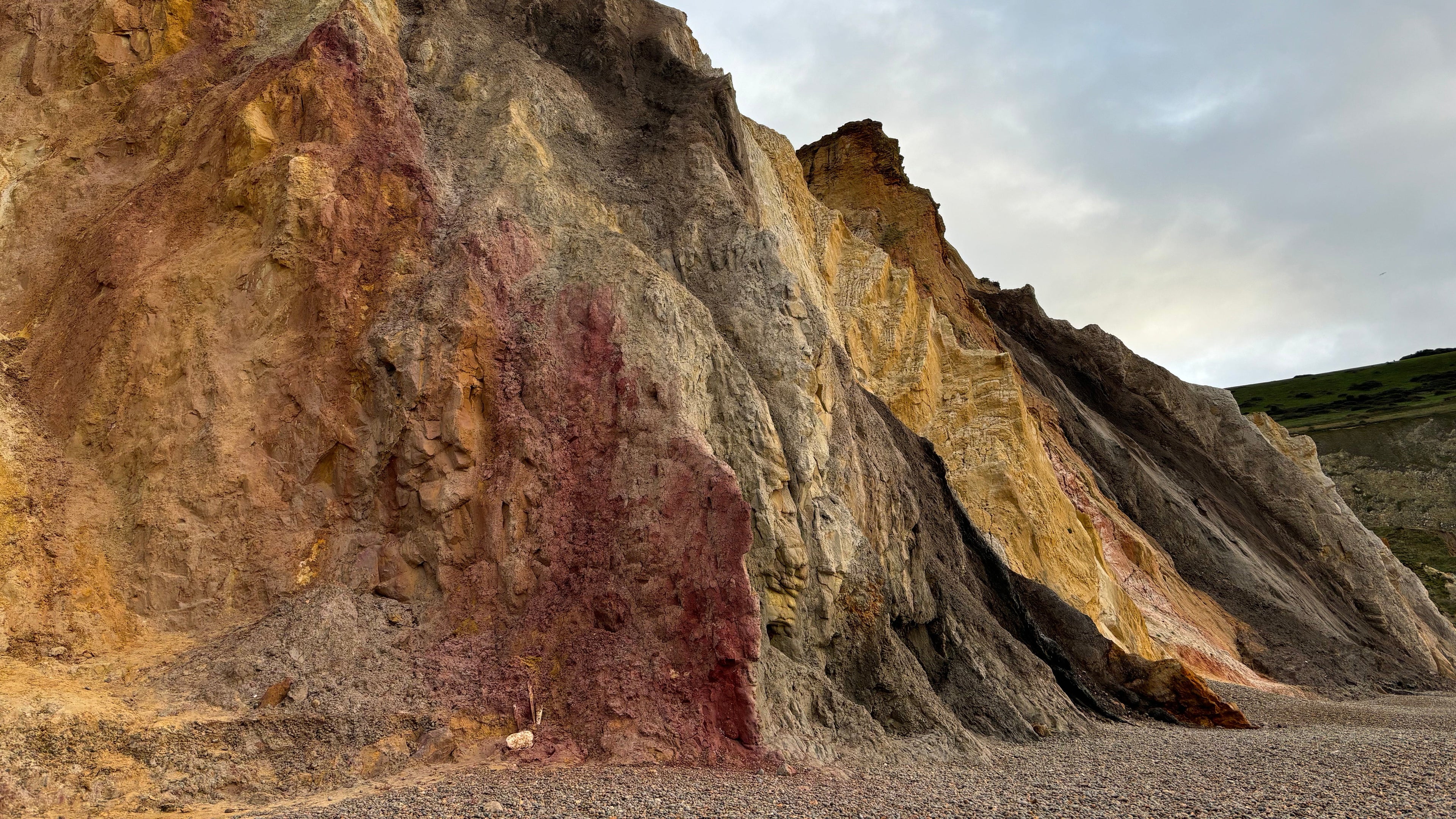
This piece has been created using materials foraged from Alum Bay, Isle of Wight. The natural tones and added textures, reflect the stunning location of the materials origin. Alum Bay is renowned for its vibrant tones and coloured sands. These striking sands are often used locally for glassblowing. But it’s not just sand that’s abundant in Alum Bay, wild clay can also be found in this unique coastal environment. However, due to ongoing coastal erosion, the area has become increasingly hazardous. For this reason, I only collected clay that has naturally eroded from the cliff face.

Culver Cliff
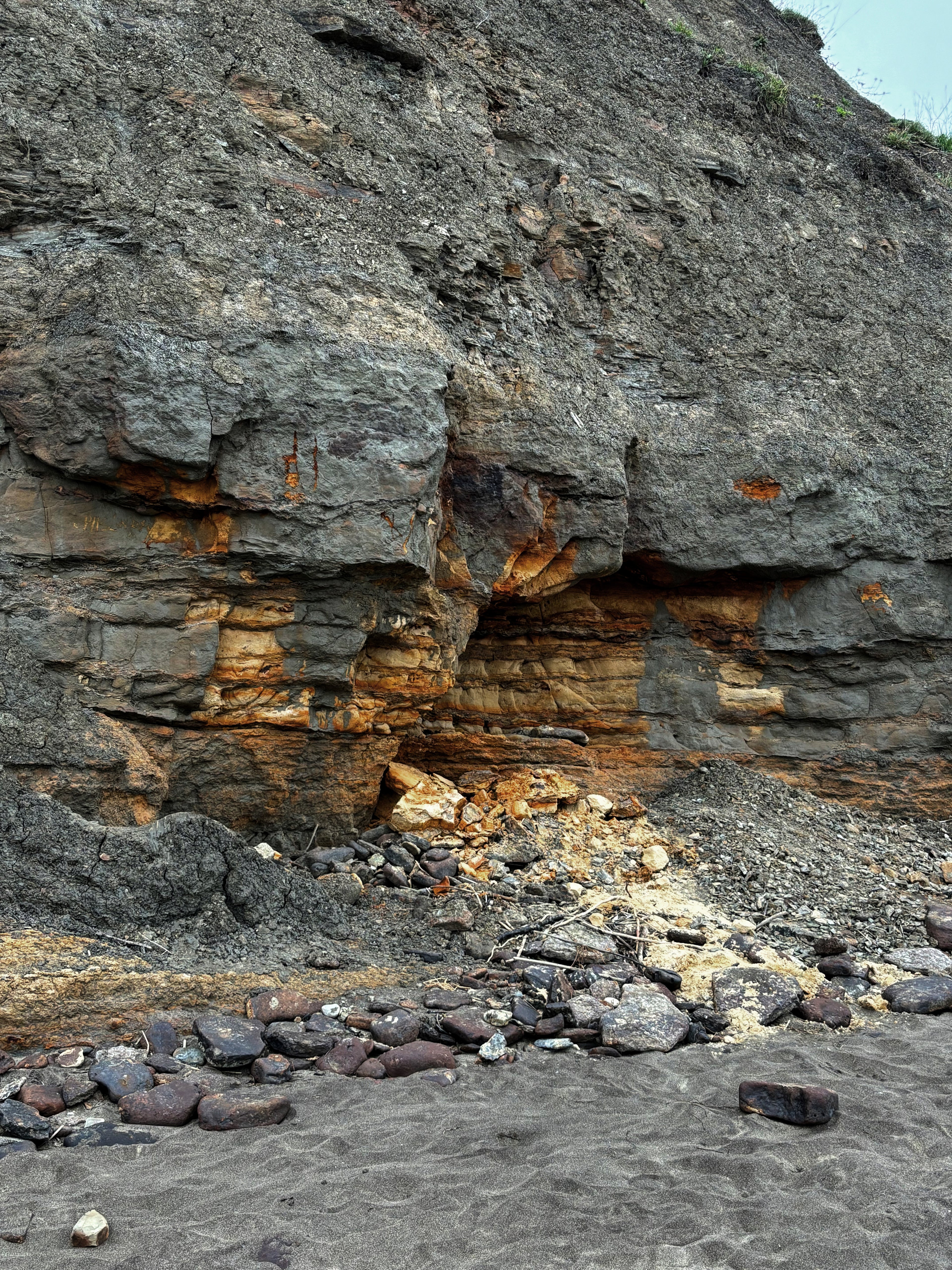
This pot reflects the raw materials I gathered from Sandown Beach. The clay used to form it was collected during an initial visit, but on a later trip to gather more, I noticed Culver Cliff. A striking, sheer rock face with exposed chalk formations. Some of the chalk had crumbled due to erosion. I collected a small bag and began experimenting with it. By combining it with local clay and sand, I created a slip that, once fired, echoed the cliff's rugged textures and natural tones.
The Garden Isle


To demonstrate the possibilities of the resources the natural world provides, Neve Beill uses wild clay as a medium, to create work that reflects the location of each clay’s origin. Wild clay connects artist and makers to their local environment, offering unique textures and qualities that reflect the landscape it comes from, in this case, The Isle of Wight. A place of significance to the designer, spending her summers there as a child, playing in the same clay she works with today. The island also holds great importance geologically, ‘being described as ‘the garden isle’ presenting as an embodiment in miniature of almost every variety of English Landscape and scenery’ (Lester, 2005). Providing an abundance of natural materials, which have been utilised in the past, for a wide range of making industries.

This project features a collection of functional domestic archetypes, each made with a different wild clay sourced from varying locations around the Isle of Wight. The main form of each vessel has taken influence from traditional Isle of Wight pottery, Vectis ware. Hand built details have been added to depict wild animals of significance from around the island as well as historical sculptures, telling stories of cultural past. Drawing from the Islands rich importance of wildlife whilst reinterpreting archaeological finds to investigate the importance of natural resources in the past and present day.

There is a huge responsibility that comes with using clay as a medium, once fired ceramic pieces will be around for thousands of years to come. Within the ceramics industry, it is common to use commercial materials, these are often thoroughly processed and overmined. Sourcing locally can help to reduce waste flows and allows for the unknown of found materials. Iteratively testing a range of materials to provide innovative solutions and improve the qualities and knowledge surrounding natural materials used within the ceramic industry is essential.